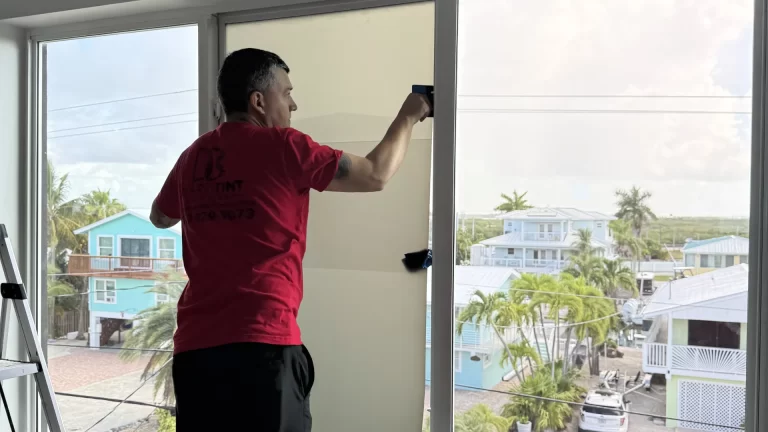
What is One Way Window Film?
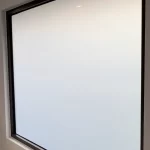
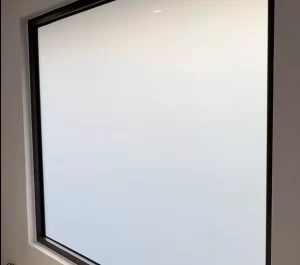
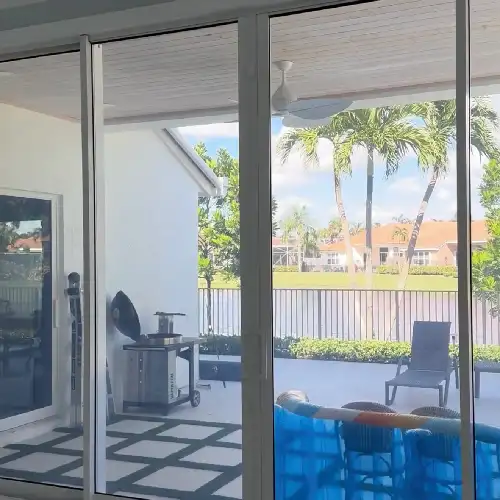
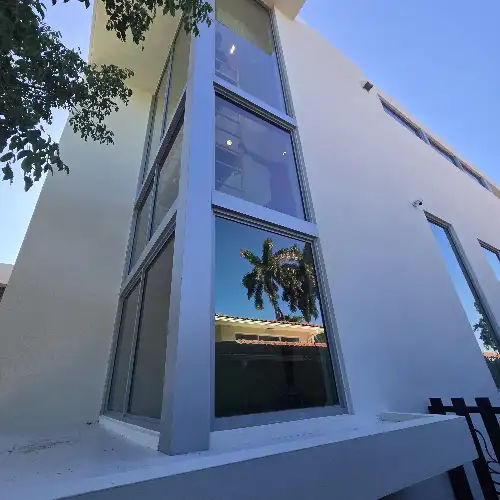
One way window film is a type of reflective window film designed to provide privacy by allowing visibility from one side only. This film works by creating a window reflections layer on the side that receives more light, making it appear mirrored from the outside. One way privacy window film is ideal for homes, offices, and storefronts, offering a clear view from the inside while blocking the view from the outside.
- One way window film provides privacy by creating a mirrored effect on the outside.
- The film’s window reflections layer enhances privacy during the day.
- It allows light transmission while obstructing visibility from one side.
- One way privacy window film is commonly used in residential and commercial settings.
- This reflective window film is especially useful for windows exposed to direct sunlight.
- Choosing a one way window film depends on the level of privacy and lighting conditions.
Understanding One Way Mirror and Mirror Film
A one way mirror, also known as a 1 way mirror or one sided mirror, allows viewing from one side while appearing reflective on the other. Mirror window film works similarly, creating a reflective layer on one side to ensure privacy. Mirror tint and mirror window tint are variations designed for privacy in residential and commercial spaces.
- One way mirror film creates a one sided mirror effect, ideal for privacy.
- Mirror window film adds a reflective layer to windows, enhancing security.
- This type of film is used in one way mirrors commonly found in observation rooms. Mirror tint offers privacy for home windows without sacrificing natural light.
- Mirror window tint is suitable for both commercial and residential use.
- Choosing a one way mirror film depends on lighting and privacy needs.
Key Differences Between One Way Mirror Film and One Way Glass
One way mirror film and one way glass serve similar privacy purposes but differ in material and application. One way mirror film is applied to existing glass, whereas one way glass is manufactured with reflective properties. A glass one way mirror provides a more permanent solution, while mirror film offers flexibility and easy installation.
- One way mirror film is applied on windows to create a mirrored effect.
- One way glass has a built-in reflective layer, providing permanent privacy.
- One way mirror glass is commonly used in high-security areas.
- Glass one way mirror solutions are more durable than film applications.
- One way glass film for windows is a cost-effective alternative to one way glass.
- Both options depend on the level of privacy and ease of installation desired.
Benefits of Using Reflective Window Film and Tint for Privacy
Reflective window film, such as mirror tint or one way window tint, offers various advantages, including privacy, UV protection, and energy efficiency. These films reduce glare, control light, and prevent outsiders from seeing into your space, making them popular for home and office use. Reflective tint also enhances the aesthetic appeal of windows.
- Reflective window film provides privacy by reflecting light on one side.
- Mirror tint reduces heat and glare, improving indoor comfort.
- One way window tint blocks UV rays, protecting interiors from sun damage.
- Reflective tint adds a modern look to residential and commercial windows.
- This film type is available in various shades to match different aesthetic preferences.
- Reflective window tint is ideal for south-facing windows exposed to intense sunlight.
Applications and Use Cases for One Way Window and Mirror Films
One way privacy window film and one way mirror glass have diverse applications. Commonly used in offices, bathrooms, storefronts, and homes, these films provide privacy without obstructing natural light. They are particularly useful for spaces where visibility control is essential, like observation rooms, restrooms, and high-security areas.
- One way privacy window film is popular in office settings for discreet viewing.
- One way mirror film is used in observation rooms for surveillance.
- Reflective film for windows is ideal for storefronts needing privacy after hours.
- One way window film for home applications includes bathroom and bedroom windows.
- Mirror tint for home windows is an aesthetic addition with privacy benefits.
- Mirror window film is also used in vehicles for privacy and UV protection.
How to Choose Between One Way Window Film, Mirror Film, and Glass Options
Selecting between one way window film, mirror film, and one way glass depends on privacy requirements, lighting conditions, and budget. One way glass provides permanent privacy, while mirror film offers a versatile, removable option. Reflective film options are best for spaces exposed to sunlight.
- Consider lighting when choosing between mirror window film and one way glass.
- For temporary needs, one way privacy window film is more practical.
- One way mirror glass is ideal for high-security, permanent installations.
- Mirror film is a cost-effective choice for residential and commercial windows.
- Reflective tint is best suited for windows exposed to bright sunlight.
- Both options offer privacy but vary in installation, durability, and cost.
Installation Guide: How to Install One Way Privacy Film
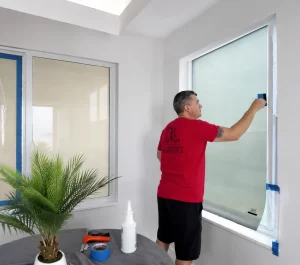
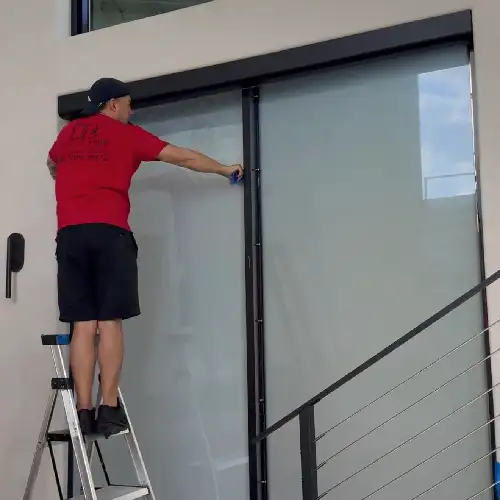
Installing one way privacy film is straightforward and can often be done as a DIY project. This process involves cleaning the glass, applying the one way film, and ensuring no air bubbles remain. Proper installation is essential to achieve the desired mirror effect and privacy level.
- Begin by cleaning the window thoroughly to remove dust and debris.
- Measure and cut the one way privacy film to fit the window size.
- Apply the film carefully, starting from one corner and working your way down.
- Use a squeegee to remove air bubbles and ensure smooth application.
- Trim any excess film for a clean, professional look.
- Allow the one way mirror film to set before touching or cleaning the surface.
Maintenance Tips for One Way Mirror Film and Tints
One way mirror film and reflective window film require gentle maintenance to preserve their reflective properties. Cleaning with non-abrasive solutions is recommended to avoid scratching the surface. Proper care prolongs the lifespan of the one way mirror window film and maintains its privacy function.
- Use a soft cloth and mild soap solution to clean one way window tint.
- Avoid abrasive cleaners that can damage the reflective layer.
- Regularly inspect for air bubbles or peeling, especially at the edges.
- For external windows, consider reapplying one way privacy film every few years.
- Maintain mirror tint for home windows to prevent fading from UV exposure.
- Avoid scratching or harsh chemicals to keep the mirror film in good condition.
Cost Considerations: Why Mirror Glass Prices Vary
The cost of one way mirror glass and film varies based on material quality, thickness, and brand. One way glass film for windows tends to be more affordable than glass one way mirror options, making it ideal for temporary solutions. Factors like UV protection and durability also influence pricing.
- One way mirror glass is generally more expensive due to its durability.
- Mirror window film is a budget-friendly option for short-term privacy needs.
- The price of mirror tint varies based on brand and UV protection levels.
- One way glass film costs less than permanently manufactured one way glass.
- Higher-quality reflective film provides better performance and longevity.
- Installation costs may apply for professional mirror one way film applications.