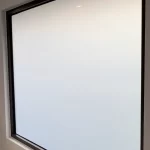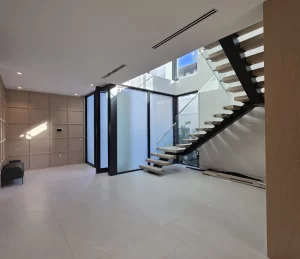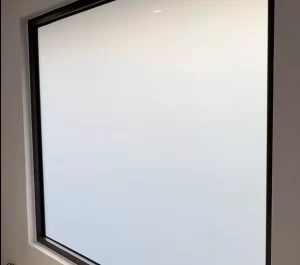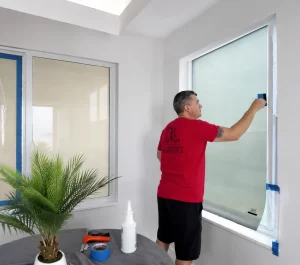
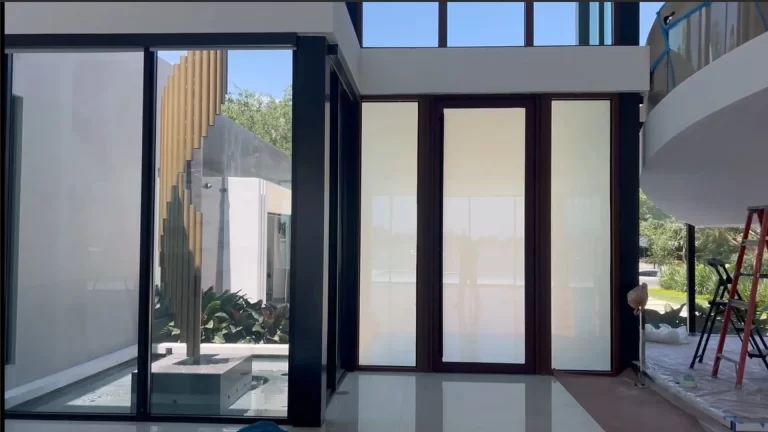
Have you ever looked at a window and wished it could turn cloudy for privacy and then clear again when you wanted sunlight? Smart glass makes this possible. It’s a special type of glass that can change how it looks in just a second, giving you more control over light and privacy without the need for blinds or curtains.
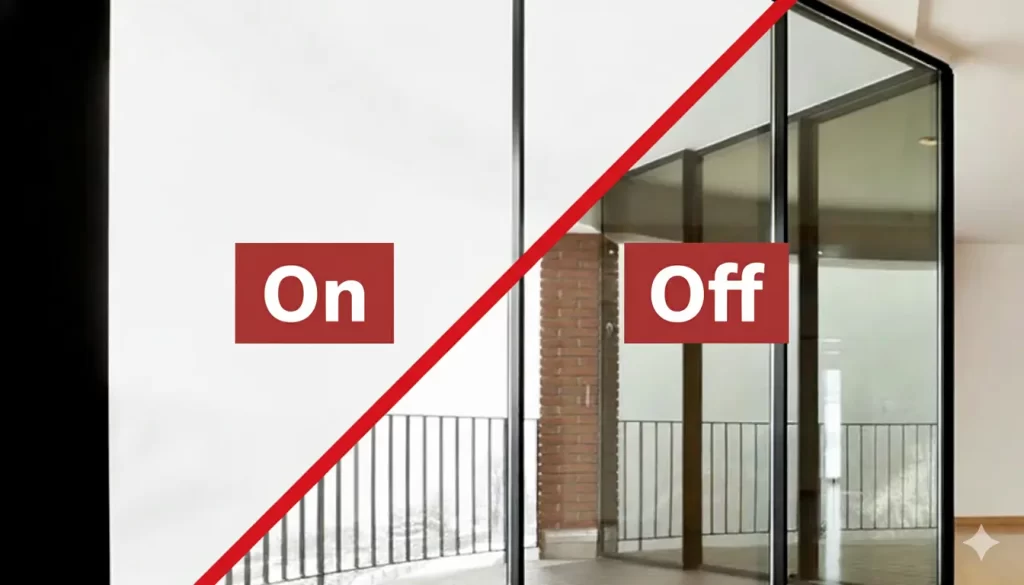
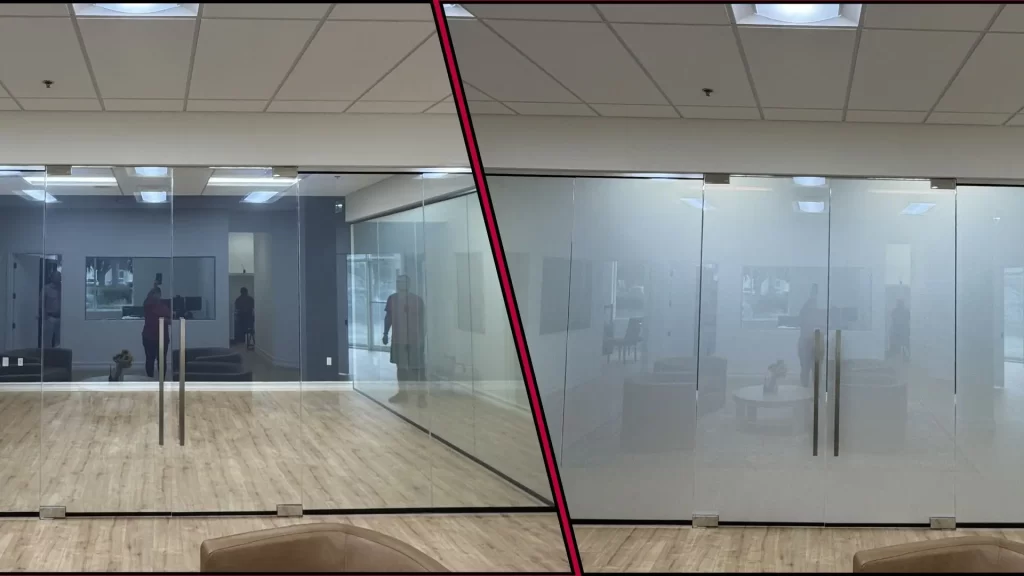
The way it works is simple but powerful. Inside the glass are tiny particles or crystals that react when electricity is applied. When the glass is switched on, it turns clear. When switched off, it looks frosted. This quick change not only makes spaces more flexible but also helps block UV rays, reduce glare, and save energy, making it useful for homes, offices, hospitals, and many other places.
What Is Smart Glass?
Smart glass, sometimes called dynamic glass or intelligent glass, is a type of glass that can switch between transparent and frosted states. In simple words, it gives you control over how much light and privacy you want at any moment. Imagine tapping a switch and seeing your window turn from clear to private in seconds. This is the power of smart window technology.
Unlike ordinary glass, smart glass is made with advanced materials that react when an electrical charge passes through. This feature makes it useful in many settings. In homes it replaces the need for curtains or blinds. In offices it creates flexible meeting rooms where privacy is only a click away. Hospitals also use it in patient rooms to balance comfort with safety.
The way it works is simple but powerful. Inside the glass are tiny particles or crystals that react when electricity is applied. When the glass is switched on, it turns clear. When switched off, it looks frosted. This quick change not only makes spaces more flexible but also helps block UV rays, reduce glare, and save energy, making it useful for homes, offices, hospitals, and many other places.
Key Features of Smart Glass
- Privacy on demand: One of the biggest reasons people choose smart glass is the ability to control privacy instantly. No need to pull curtains or close blinds. You can keep the view when you want it and block it when you don’t.
- Energy efficiency: Smart glass helps regulate temperature by blocking heat, glare, and UV rays. This reduces the strain on air conditioners during summer and keeps spaces warmer in winter. Over time this feature lowers energy bills and supports a greener lifestyle.
- Modern design: With its clean and minimal look, smart glass fits perfectly into modern architecture. It provides a stylish alternative to traditional window coverings and works well in doors, skylights, and partitions.
Thanks to these benefits smart glass has grown in popularity. Many homeowners and businesses see it as one of the most practical intelligent glass solutions available today. It combines comfort with efficiency and proves that windows can do much more than just let in light.
The Science Behind Smart Glass
Smart glass looks simple from the outside, but it hides advanced science inside. At its core, it uses special layers that react to signals, changing how the glass handles light. With professional smart glass installation Miami, these advanced panels can provide greater control over privacy and brightness with almost no effort, making them a practical choice for modern homes and offices.
How It Switches States
- Transparent mode: When electricity flows through the glass, tiny crystals or particles line up neatly, letting light pass through. The glass looks clear.
- Frosted mode: When the power is off, the crystals scatter randomly. This blocks and diffuses light, creating a frosted look.
- Speed: The shift happens in a split second, which is why people describe it as instant privacy.
Different Ways Smart Glass Works
Not all smart glass relies on electricity alone. Some respond to other triggers:
- Heat-sensitive: Changes its shade when the temperature rises, helping reduce heat indoors.
- Light-sensitive: Darkens automatically when exposed to strong sunlight, reducing glare.
Everyday Controls
Switching smart glass on or off is as easy as controlling a light. Common options include:
- Wall switch or dimmer
- Remote control
- Smartphone app
- Voice command through smart home systems
This blend of science and convenience is what makes smart glass stand out. It’s not just glass; it’s a technology that puts privacy and comfort right at your fingertips.
Types of Smart Glass and How They Work
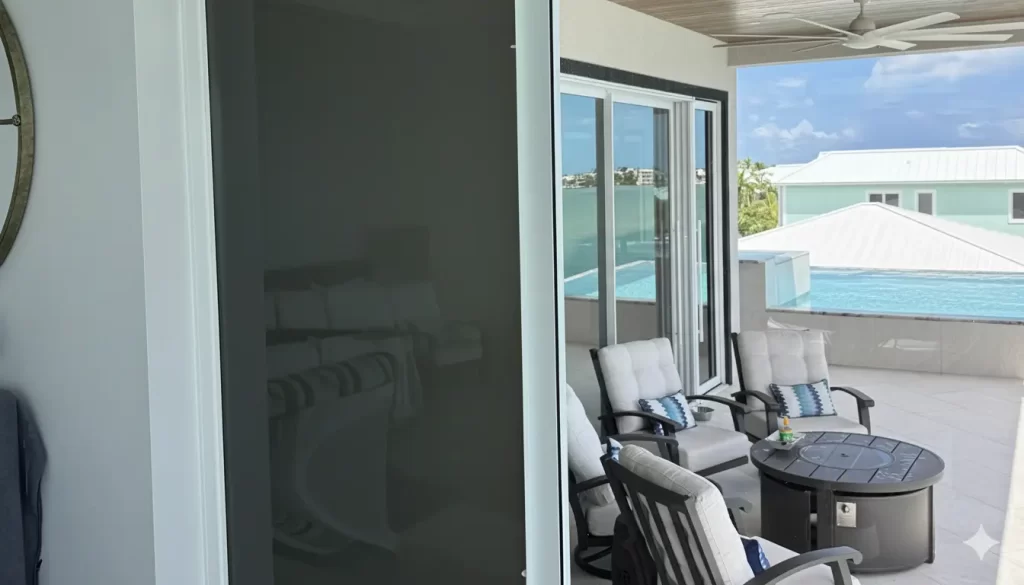
Smart glass is not a single technology. There are several types, each designed with different methods of controlling light and privacy. Knowing the differences helps you understand where each type is most useful.
Electrochromic Smart Glass
Electrochromic glass works by using a thin coating that changes when a small amount of voltage is applied. This change affects how much light passes through the glass. Unlike instant switching, the process takes a little more time but provides a smooth transition from clear to tinted.
Advantages
- Ideal for exterior windows and skylights
- Reduces glare and heat from the sun
- Supports long-term energy savings
Common Uses
Electrochromic glass is often used in airplanes, office towers, and smart homes where energy efficiency is a top priority.
Polymer-Dispersed Liquid Crystal (PDLC)
PDLC glass is the most widely known type of smart glass. Inside, it has liquid crystals suspended in a polymer. When electricity flows, the crystals align and the glass turns clear. Without power, the crystals scatter, making the glass look frosted.
Advantages
- Provides instant privacy on demand
- Easy to control with a switch or remote
- Popular for both homes and offices
Common Uses
You’ll often find PDLC glass in conference rooms, bathrooms, medical facilities, and modern residential designs.
Suspended Particle Device (SPD)
SPD glass contains microscopic particles that move when electricity is applied. By adjusting the voltage, the glass can block or allow different levels of light.
Advantages
- Excellent glare control compared to other types
- Works well for large glass surfaces
- Reduces heat and protects interiors from fading
Common Uses
SPD technology is popular in cars, trains, and skylights where controlling sunlight is essential.
Thermochromic & Photochromic Glass
These types don’t require electricity. Instead, they react naturally to changes in heat or sunlight. As the temperature rises or the light grows stronger, the glass darkens automatically.
Advantages
- Fully passive system with no wires or power needed
- Helps maintain indoor comfort
- Improves energy efficiency year-round
Common Uses
Thermochromic and photochromic glass is often used in skylights, green buildings, and energy-conscious architecture where automatic climate control is important.
Key Components of Smart Glass
Smart glass may appear simple, but several layers work together to make the technology function. Each layer plays a role in switching the glass between clear and frosted.
- Glass panels: Strong sheets that provide support and protect the inner layers.
- Smart film layer: The active section that shifts the glass between clear and frosted.
- Conductive coating: A thin layer that spreads electricity evenly across the surface.
- Power supply: The source of low voltage that activates the smart film response.
Control options are also an important part of the setup. Smart glass can be managed through a wall switch, a handheld remote, a smartphone app, or even integrated with a smart home system. These simple tools give users quick control over light and privacy at any time.
Benefits of Smart Glass
Smart glass is more than just a stylish material. It adds real value by solving everyday problems while improving comfort and efficiency. Here are the key benefits it brings:
Privacy on Demand
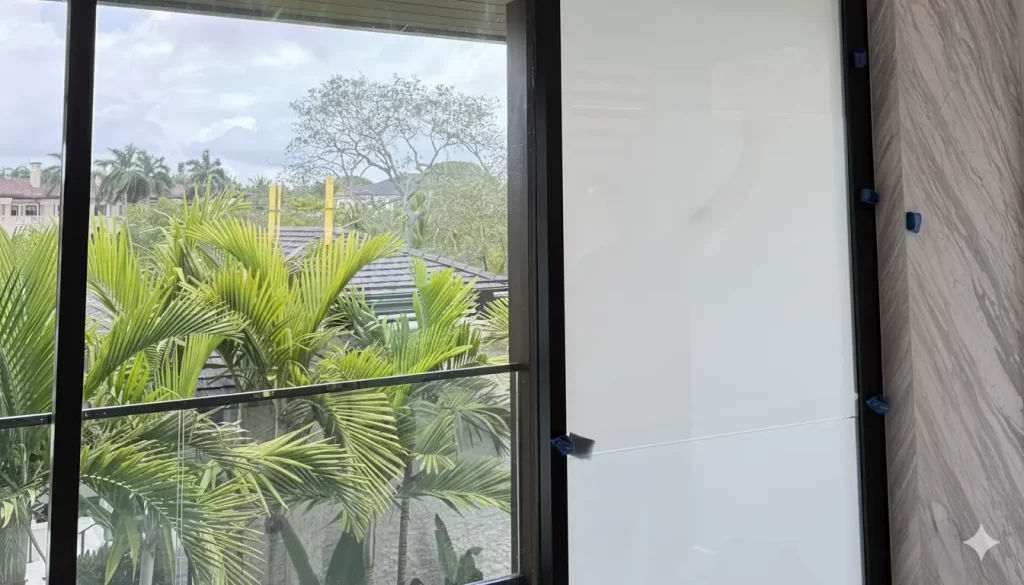
With the press of a button or a voice command, glass panels can change from clear to frosted. This instant control makes it easy to maintain privacy in spaces like bathrooms, offices, or meeting rooms without needing blinds or curtains.
Energy Efficiency and Cost Savings
Smart glass reduces energy use by blocking heat and glare from the sun. This lowers the need for air conditioning, which helps cut down on monthly bills. It also filters UV and infrared rays, protecting furniture, flooring, and artwork from fading over time.
Aesthetic and Modern Appeal
Many people prefer smart glass because it creates a clean, modern look. By removing the clutter of curtains or shades, it keeps spaces open and bright while still offering full control over privacy and light.
Multi-Functional Uses
Smart glass is versatile. Beyond privacy and energy savings, it can double as a projection screen for meetings or entertainment. It also works well for partitions in offices, display windows in stores, or even as whiteboards in classrooms. This makes it a practical solution in many industries.
Real Life Applications of Smart Glass
Residential Use
In homes, smart glass brings privacy and style together. Bedrooms and bathrooms often use it for instant seclusion, while skylights and home theaters take advantage of its ability to control glare and create the right mood without extra window treatments.
Commercial and Office Spaces
Smart glass is becoming a favorite in offices and commercial buildings where flexibility matters. Meeting rooms can switch from open and transparent to private during presentations, while lobbies and co-working areas benefit from its sleek design and energy efficiency.
Healthcare Facilities
Hospitals and clinics use smart glass to replace traditional curtains and blinds. In ICUs, patient rooms, and clean rooms, it helps maintain hygiene, reduces dust, and provides privacy on demand without compromising natural light.
Automobiles and Transportation
Cars, trains, and airplanes are also adopting smart glass. Smart sunroofs let passengers enjoy the view without harsh sunlight, while train windows and airplane cabins use it to control glare and enhance comfort during travel.
Is Smart Glass Worth It?
The first question many people ask is whether the cost of smart glass justifies the investment. At first glance, it may seem more expensive than standard glass or traditional window treatments, but the value lies in what it offers over time. By combining privacy control, energy efficiency, and modern appeal in a single solution, smart glass reduces the need for blinds, curtains, and even certain energy-heavy cooling systems.
For commercial buildings, the return on investment becomes clear through lower energy bills, reduced maintenance, and an improved work environment that supports productivity. Luxury homes benefit in a similar way, as smart glass not only enhances privacy and comfort but also adds a premium feature that increases property value.
Industry experts often recommend smart glass for projects where long-term savings, design flexibility, and innovation are priorities. While the upfront cost is higher, the benefits add up over the years, making it a forward-thinking choice for both businesses and homeowners
Frequently Asked Questions
Smart glass can turn from clear to frosted using electricity, heat, or sunlight. The change happens inside the glass layer, giving you quick control over privacy and light.
Yes, most types need a small amount of electricity to stay clear. When the power is off, the glass turns frosted. Some kinds change automatically with heat or sunlight without using electricity.
Smart glass usually costs between $80 and $120 per square foot. While the price is higher than normal glass, it helps save energy, lowers bills, and adds value to a property.
The main drawback is the higher cost compared to normal glass. It may also need expert installation. Still, most people feel the comfort, savings, and privacy make it worth it.
With proper care and professional setup, smart glass can last 10 to 15 years. It is built to be strong and reliable for both homes and offices.
When lights are on inside at night, frosted smart glass may still show shapes. For full privacy, people often use it along with blinds or curtains.
Conclusion
Smart glass works by shifting between clear and frosted states through electricity, heat, or sunlight. This simple yet advanced technology gives you instant control over privacy, light, and comfort in any space.
Beyond convenience, smart glass offers real benefits. It saves energy by lowering heating and cooling costs, improves privacy without heavy curtains, and adds a modern touch to homes, offices, and even vehicles.
For homeowners and businesses ready to explore this innovation, Smart Tint Solutions Miami provides reliable smart glass solutions that combine style with function. Investing in smart glass today can change the way you experience everyday spaces tomorrow.