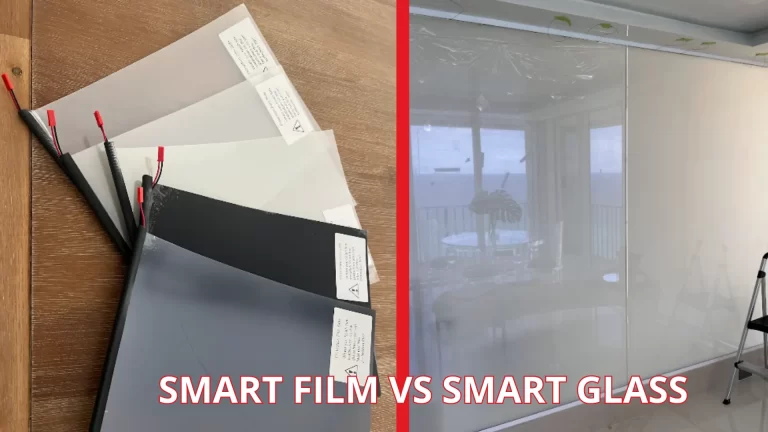
Miami homes and offices love natural light, but privacy and heat control can be challenging with large glass windows. Many people struggle with blinds, curtains, and constant sunlight entering their spaces. Choosing between modern glass technologies can feel confusing, especially when both promise instant privacy and energy savings, but the key differences are in the details.
This is where smart glass vs smart film for modern buildings becomes an important comparison. Both technologies allow windows to switch from clear to frosted with the press of a button. Understanding the differences helps homeowners and business owners choose the right solution for comfort, privacy, and energy efficiency.
What Is Smart Glass
Smart glass is a special type of glass that changes from transparent to opaque when electricity is applied. This technology uses systems like liquid crystal or electrochromic layers embedded inside the glass.
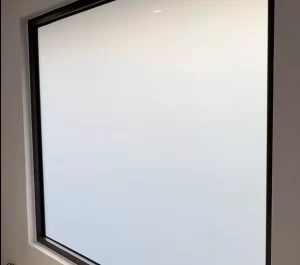
When the glass receives power, the internal layer changes alignment and allows light to pass through. When the power is turned off, the glass becomes frosted or opaque.
This feature allows people to control privacy instantly without using curtains or blinds. Smart glass is commonly used in luxury homes, conference rooms, hotels, and healthcare facilities.
What Is Smart Film
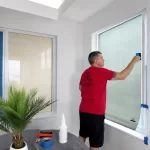
Smart film works in a similar way but is applied to existing glass rather than built into the glass itself. It is a thin adhesive film that contains switchable liquid crystal technology.
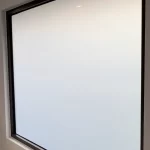
When electricity flows through the film, the glass becomes clear. When the power is turned off, the film turns frosted and blocks visibility.
This technology allows homeowners and offices to upgrade existing windows without replacing the glass panels. Because of this flexibility, smart film is often used in renovations and modern office upgrades.
How Smart Glass and Smart Film Work
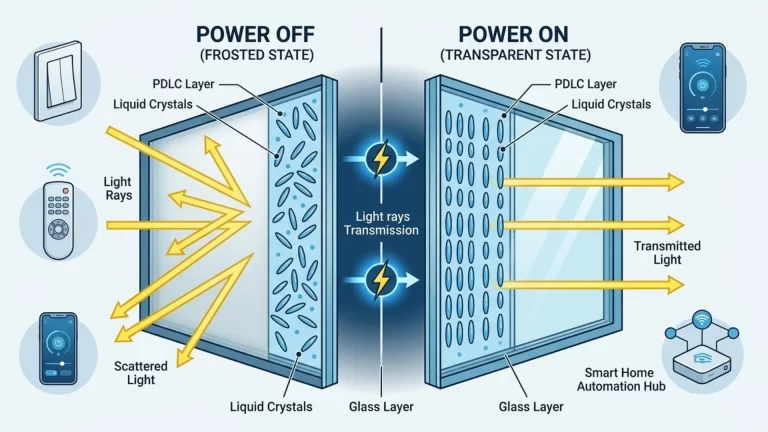
Both smart glass and smart film use a technology called PDLC, which stands for polymer dispersed liquid crystal.
The liquid crystals inside the layer react to electrical current. When power is applied, the crystals align and allow light to pass through, making the glass transparent. When power stops, the crystals scatter light and create a frosted effect.
This switching effect usually happens instantly and can be controlled using:
• Wall switches
• Remote controls
• Smart home systems
• Mobile apps
These features make both technologies convenient for homes and workplaces.
Smart Glass vs Smart Film Main Differences
Cost Comparison Smart Glass vs Smart Film
Cost is often the biggest factor when choosing between the two technologies.
Smart glass typically costs around $70 to $150 per square foot installed, depending on the project and customization.
Smart film is usually more affordable, costing around $25 to $55 per square foot since it is applied to existing glass rather than replacing it.
Because of this price difference, smart film is often the preferred option for homeowners or businesses looking for a cost effective upgrade.
Installation Differences Between Smart Glass and Smart Film
Smart Glass Installation
Smart glass installation involves replacing the existing glass panels with new switchable glass units. This process requires professional glass installers and electricians.
Since the glass must be manufactured with embedded technology, installation may involve construction work and longer timelines.
Smart Film Installation
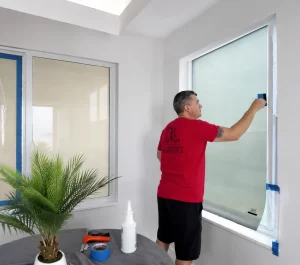
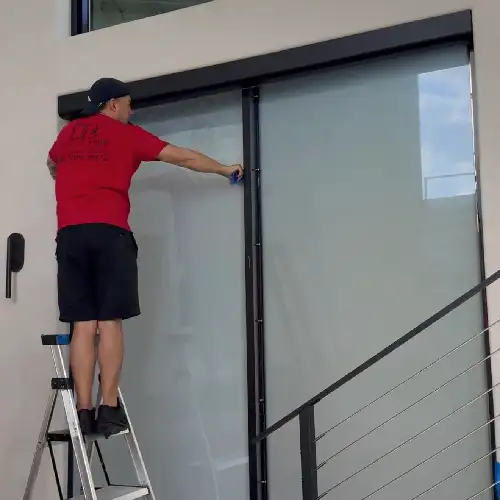
Smart film installation is much faster because it attaches directly to the surface of existing glass. Professionals apply the film and connect it to a power source.
This process typically takes one to two days and causes minimal disruption to the home or office.
Benefits of Smart Glass for Miami Homes and Offices
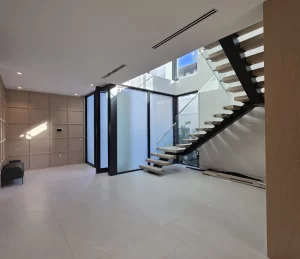
Smart glass is often considered a premium architectural solution.
Some of the main benefits include:
• Sleek and seamless appearance
• Strong durability and long lifespan
• Integrated glass technology
• Improved energy efficiency
• Modern luxury design
Because the technology is embedded inside the glass, it offers excellent optical clarity and durability.
Smart glass is commonly used in high end residential buildings and modern office towers.
Benefits of Smart Film for Miami Properties
Smart film offers many of the same benefits while providing greater flexibility.
Key advantages include:
• Lower installation cost
• Works with existing windows
• Quick installation
• Ideal for renovations and upgrades
• Instant privacy control
Since smart film can be installed without replacing windows, it is widely used in offices, retail spaces, and homes that want modern features without major construction.
Which Option Is Better for Miami Homes
Offices often use glass walls for conference rooms and workspaces. In these environments, both technologies can work well.
Smart glass is ideal for new office construction where the glass panels are being installed from the beginning.
Smart film is more common in office renovations because it can be added to existing conference room glass walls without major remodeling.
Many companies choose smart film because it delivers the same privacy effect at a lower cost.
How Smart Glass and Smart Film Improve Energy Efficiency
Both technologies can help regulate indoor temperature and reduce energy consumption.
They block UV rays and help control sunlight entering the building. This reduces heat buildup and protects furniture from fading.
Smart window technologies also reduce the need for blinds or curtains while maintaining natural daylight.
These features help create comfortable indoor environments in hot climates like Miami.
Conclusion
Choosing between Smart Glass vs Smart Film depends on your project, budget, and installation needs. Smart glass offers a sleek, built in solution ideal for new construction, while smart film provides a flexible and affordable upgrade for existing windows.
For most Miami homes and office renovations, smart film is often the more practical choice because it installs quickly and delivers the same privacy technology without replacing glass.
If you are looking to upgrade your home or office with modern privacy solutions, visit https://smarttintsolutionsmia.com/ to explore professional smart film and smart glass installations designed specifically for Miami properties.